วิทยาลัยนานาชาติการท่องเที่ยว รุกสร้างภาคีเครือข่ายบูรณาการ มุ่งพัฒนาศักยภาพเยาวชนและชุมชนบางใบไม้ สู่เป้าหมายการพัฒนาที่ยั่งยืน (SDGs)
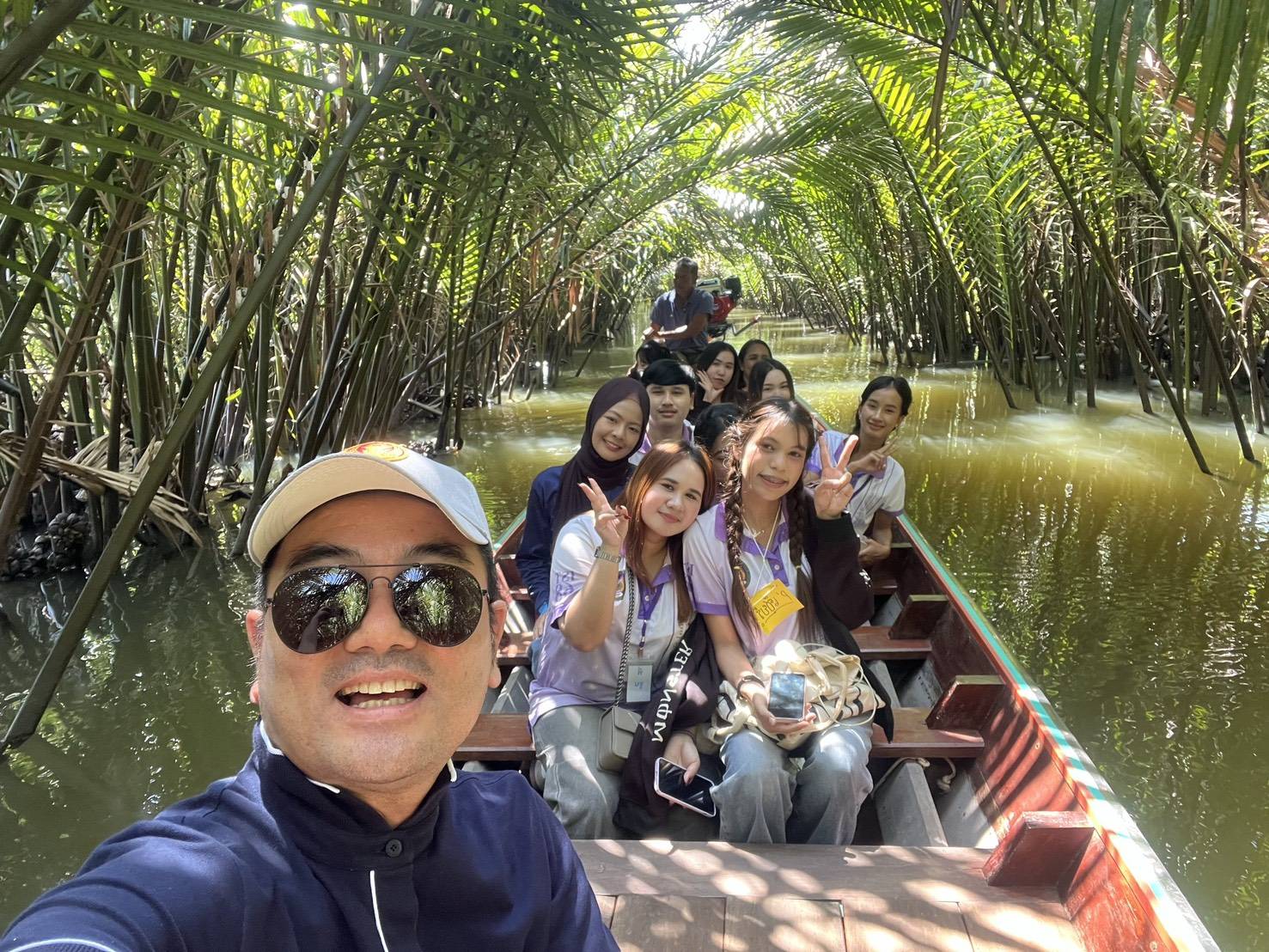
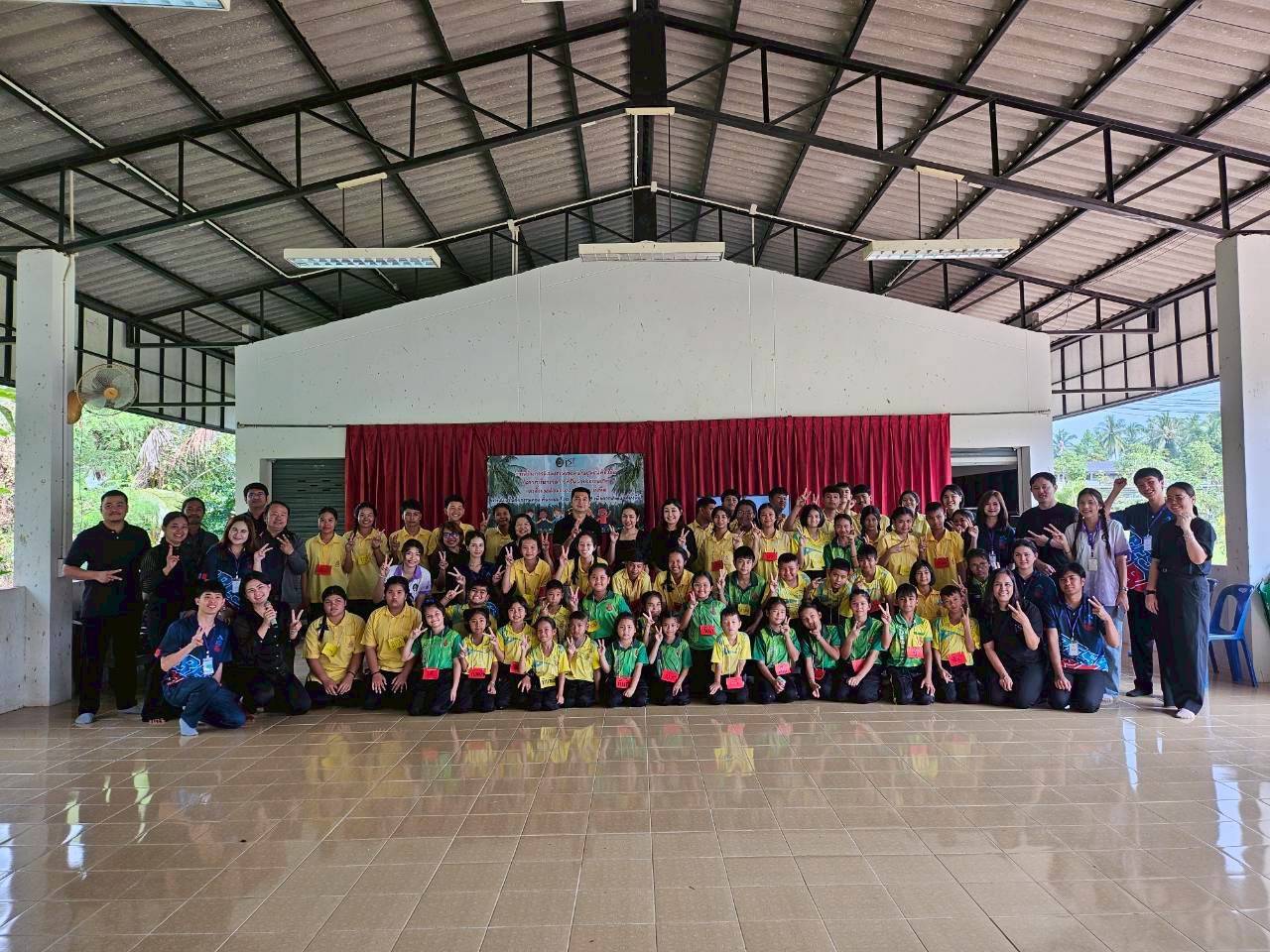
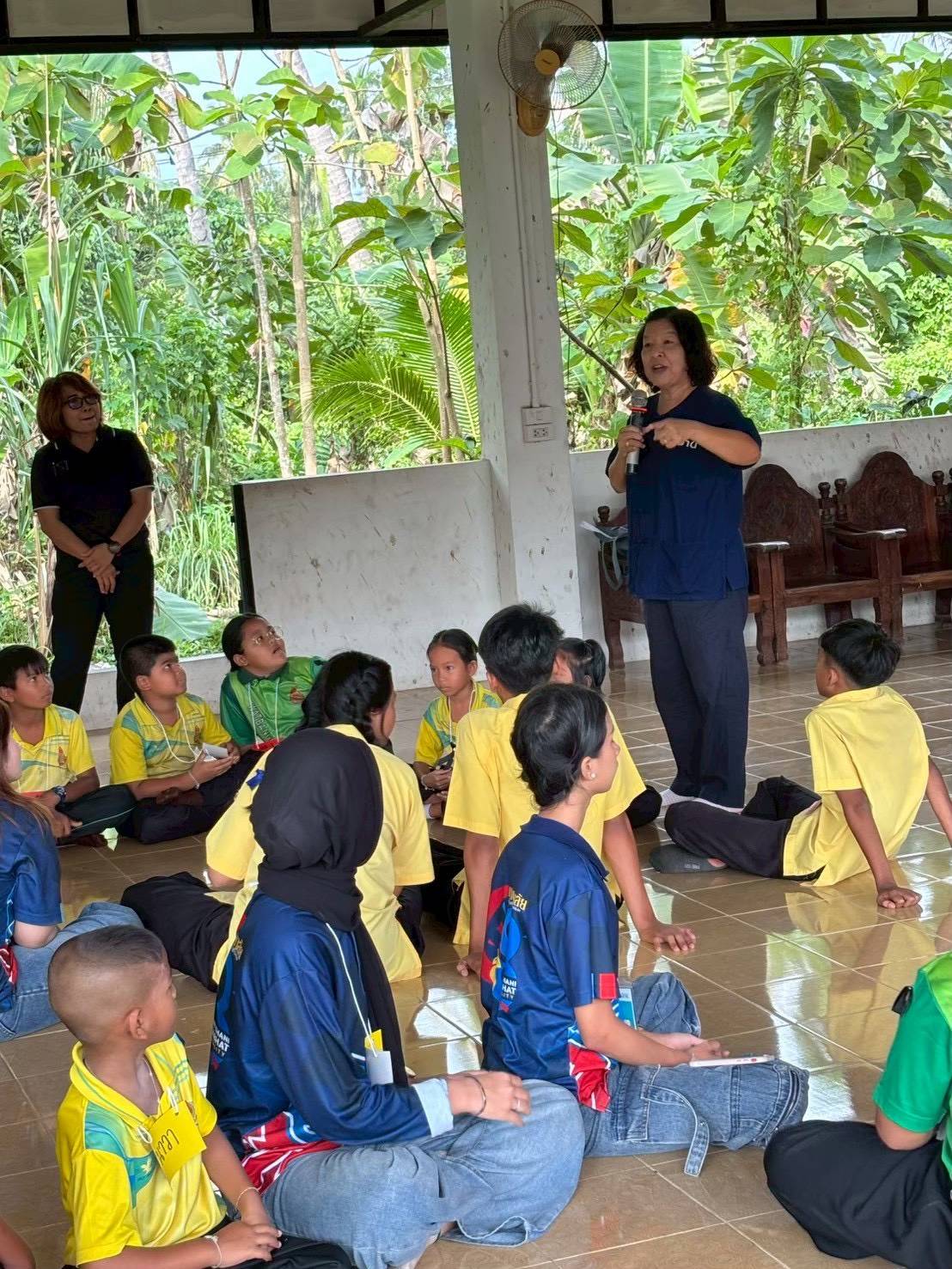
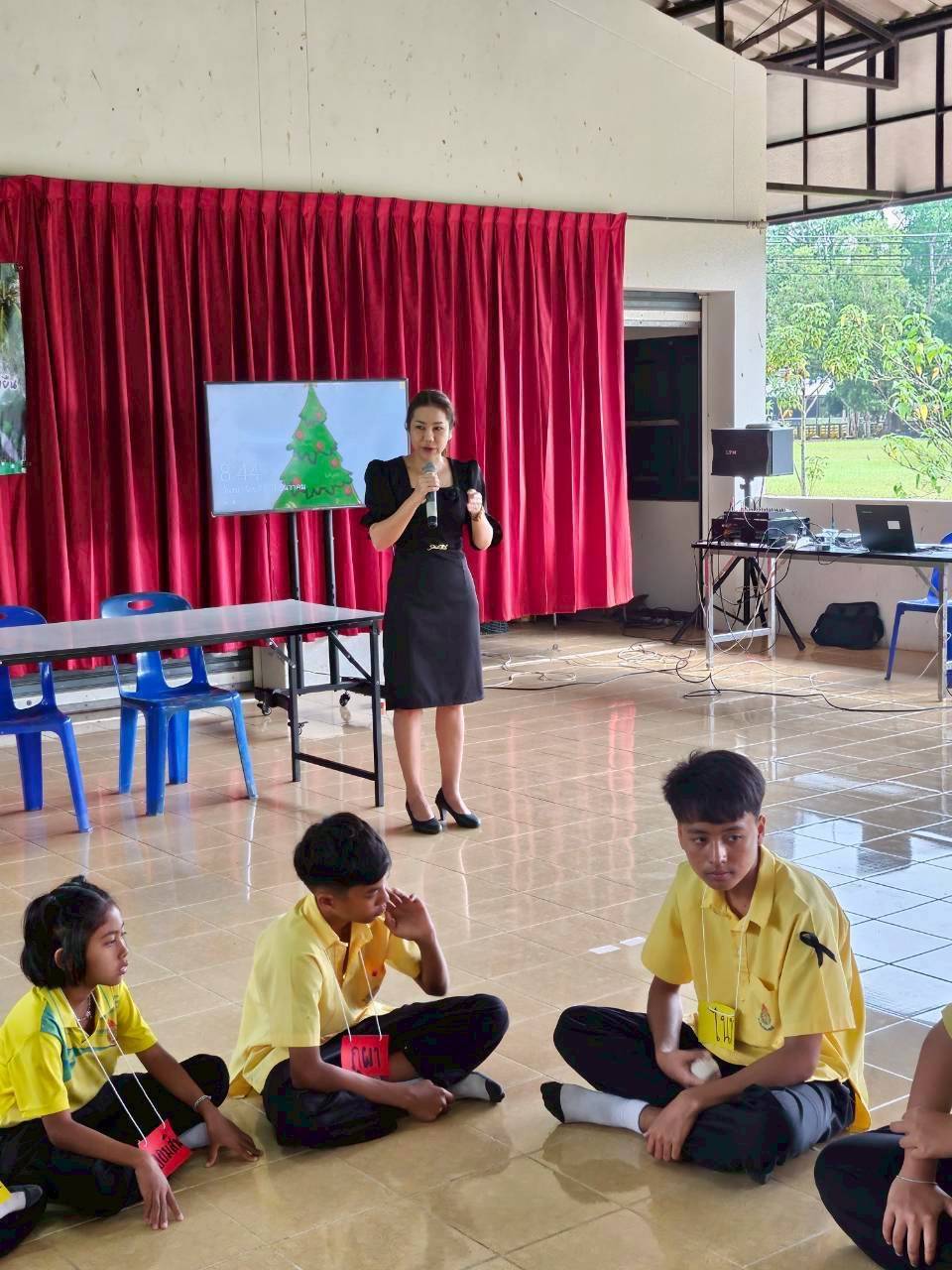
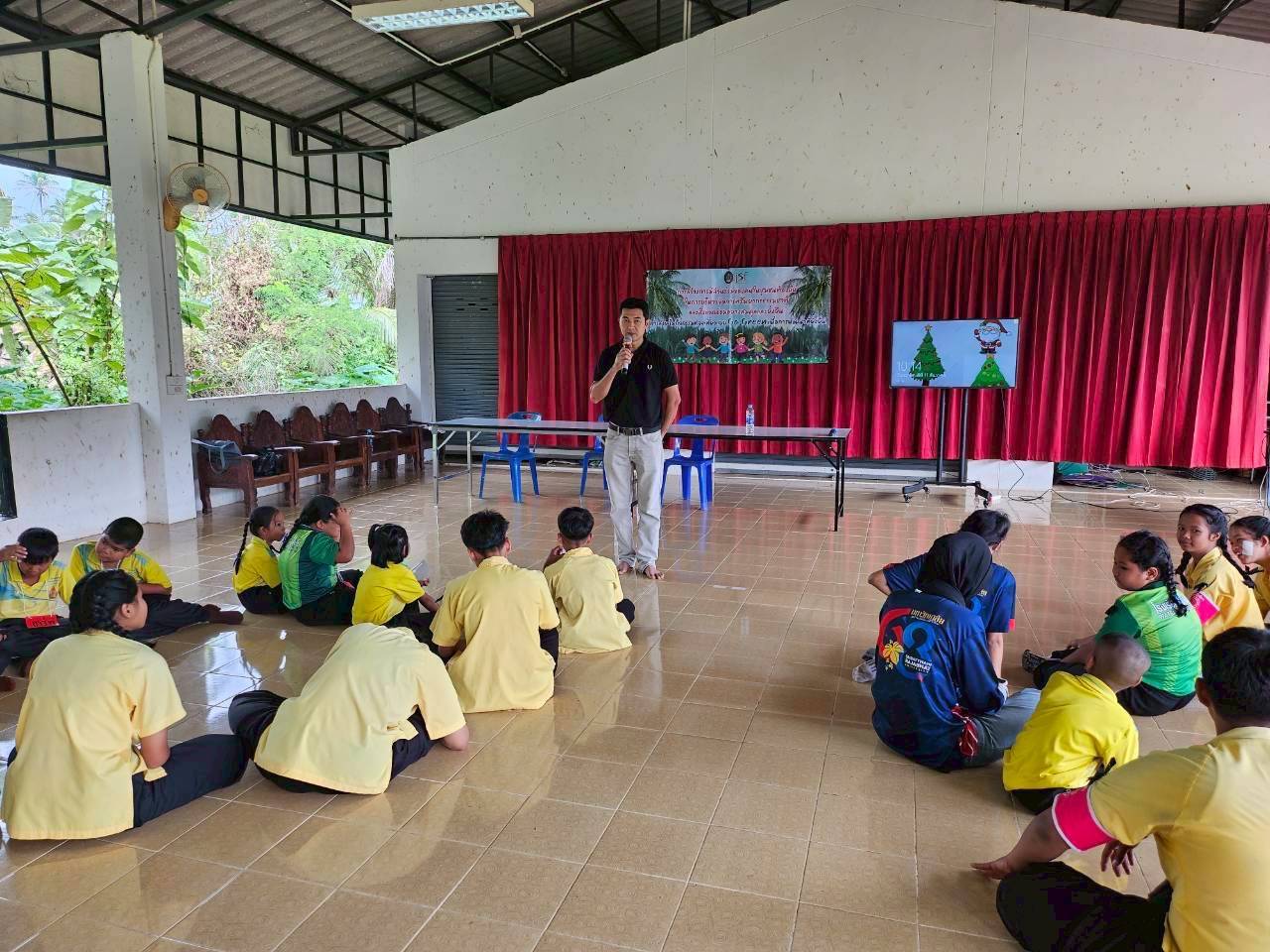
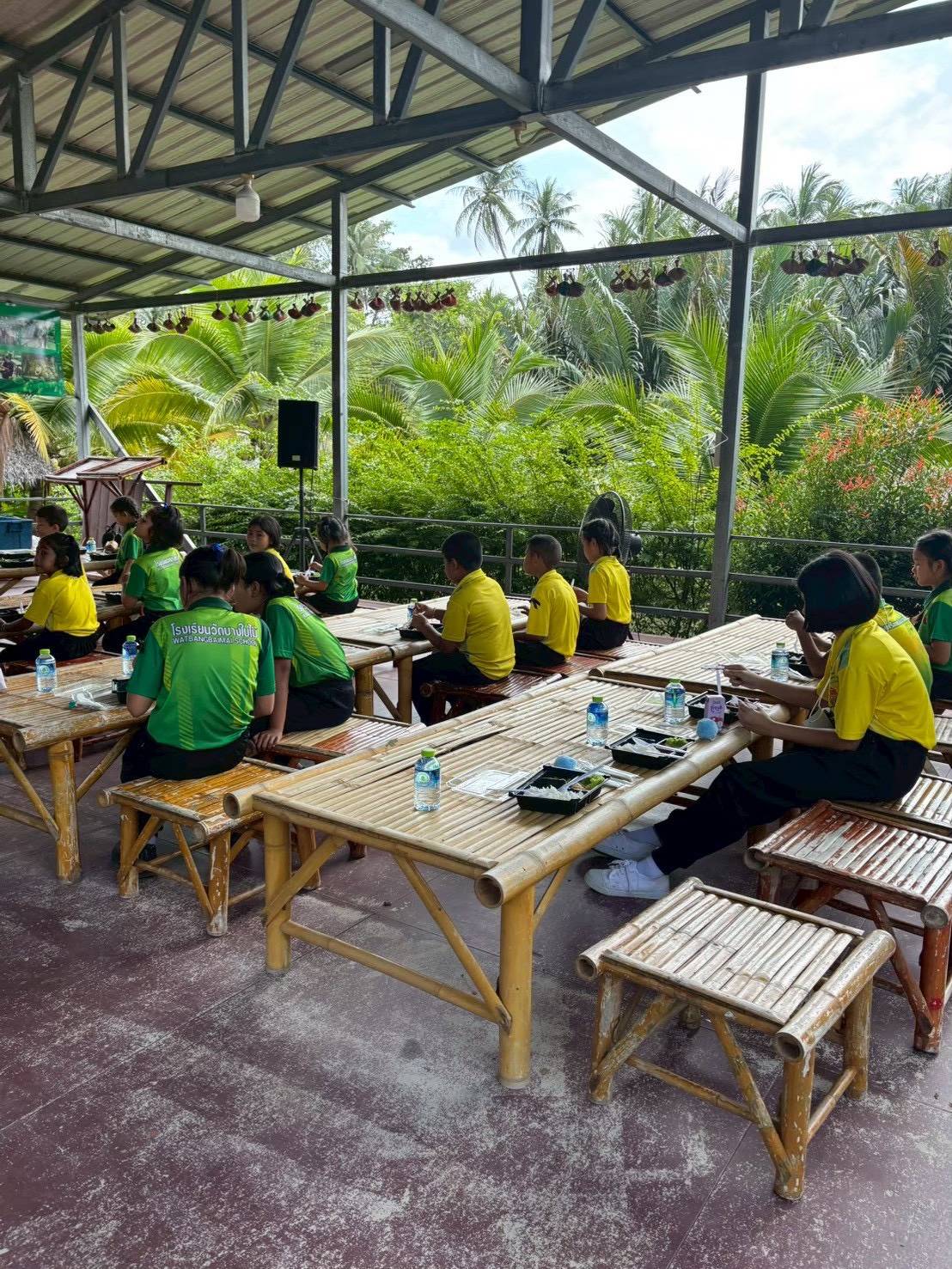
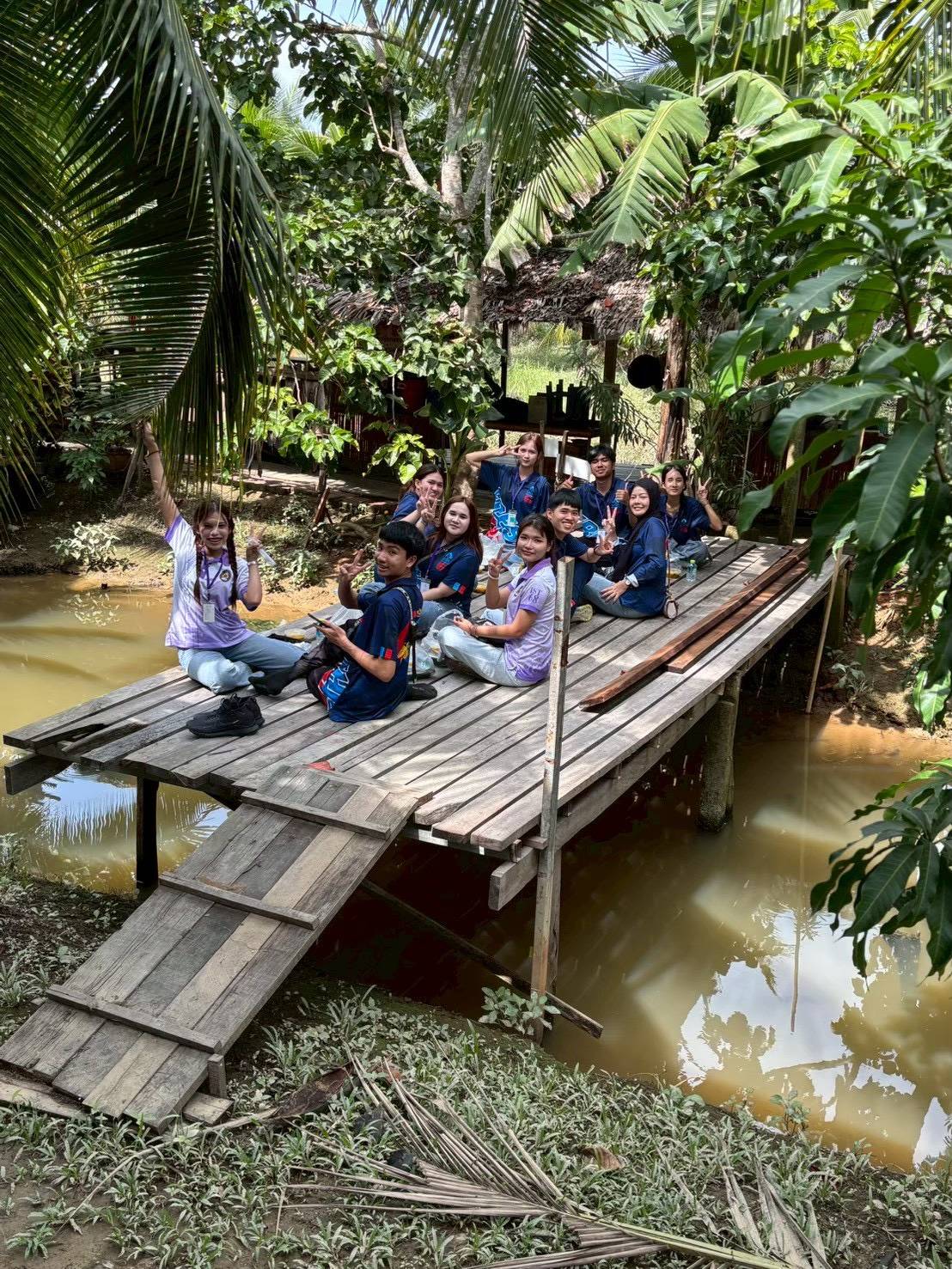
วิทยาลัยนานาชาติการท่องเที่ยว มหาวิทยาลัยราชภัฏสุราษฎร์ธานี ดำเนินโครงการ “การสร้างการมีส่วนร่วมของคนในชุมชนท้องถิ่นในการบริหารจัดการทรัพยากรธรรมชาติและสิ่งแวดล้อมอย่างสมดุลและยั่งยืน” โดยมุ่งเน้นการบูรณาการองค์ความรู้จากห้องเรียนสู่การปฏิบัติงานจริงในพื้นที่ ณ โรงเรียนวัดบางใบไม้ อำเภอเมือง จังหวัดสุราษฎร์ธานี
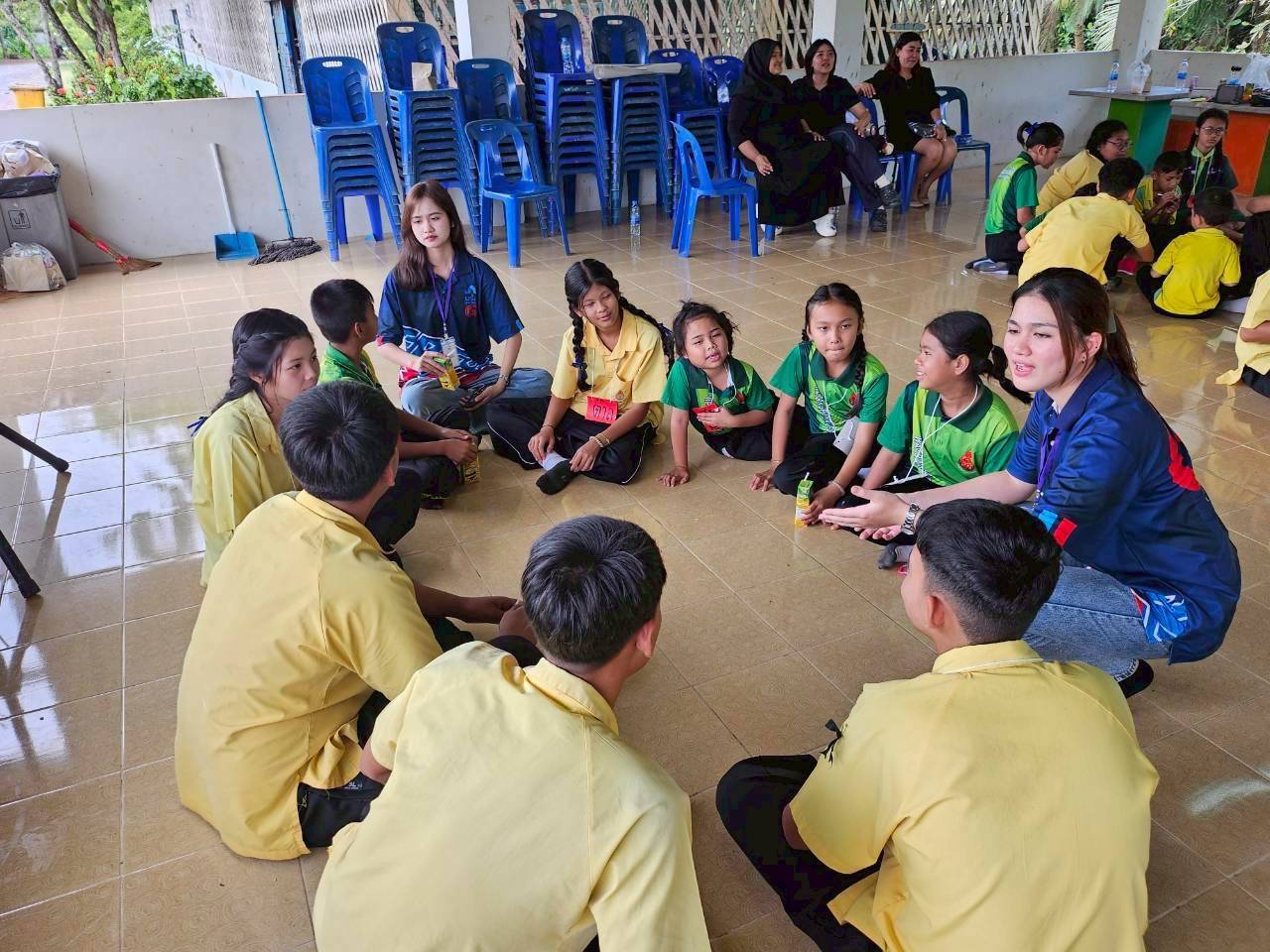
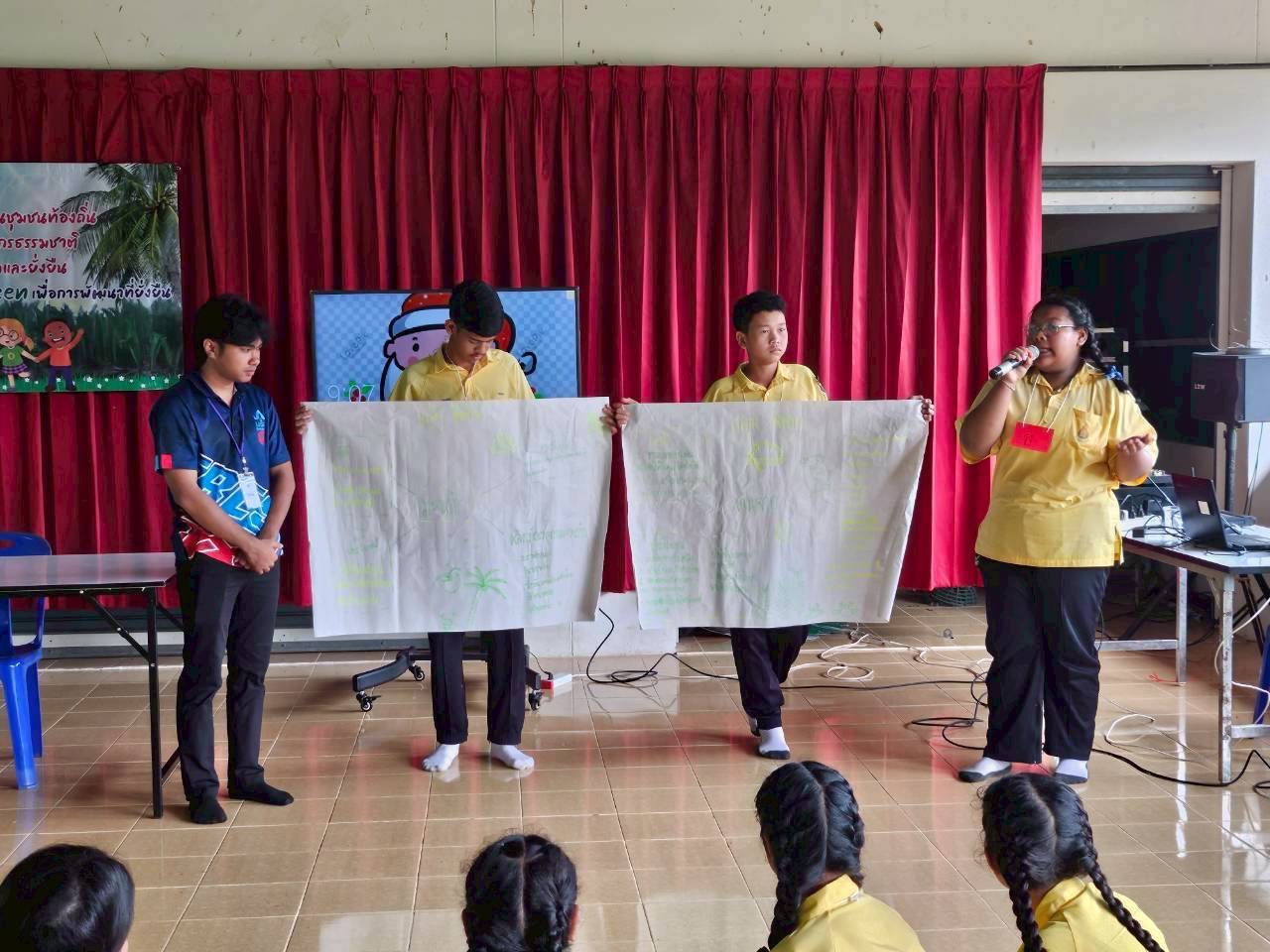
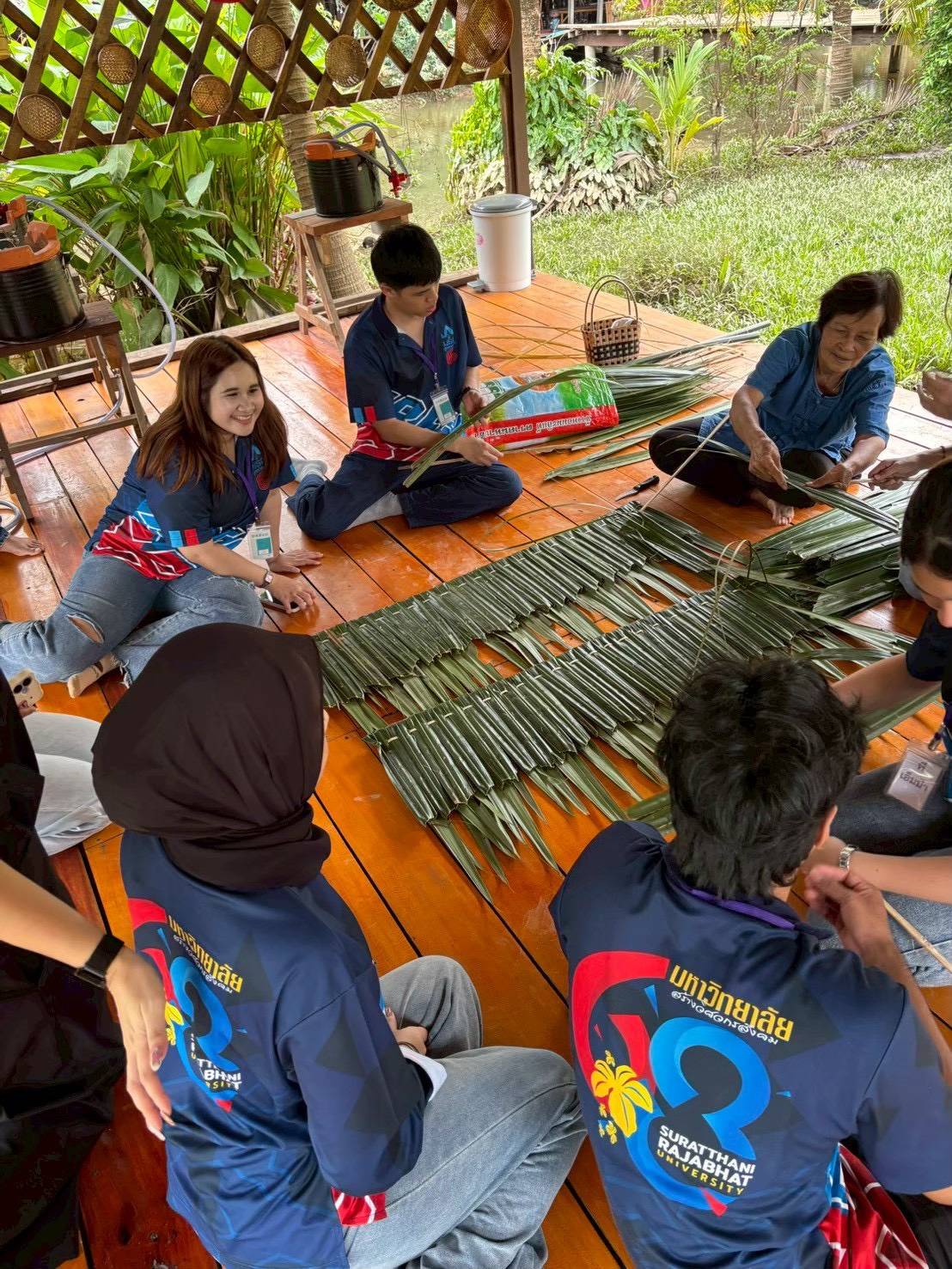
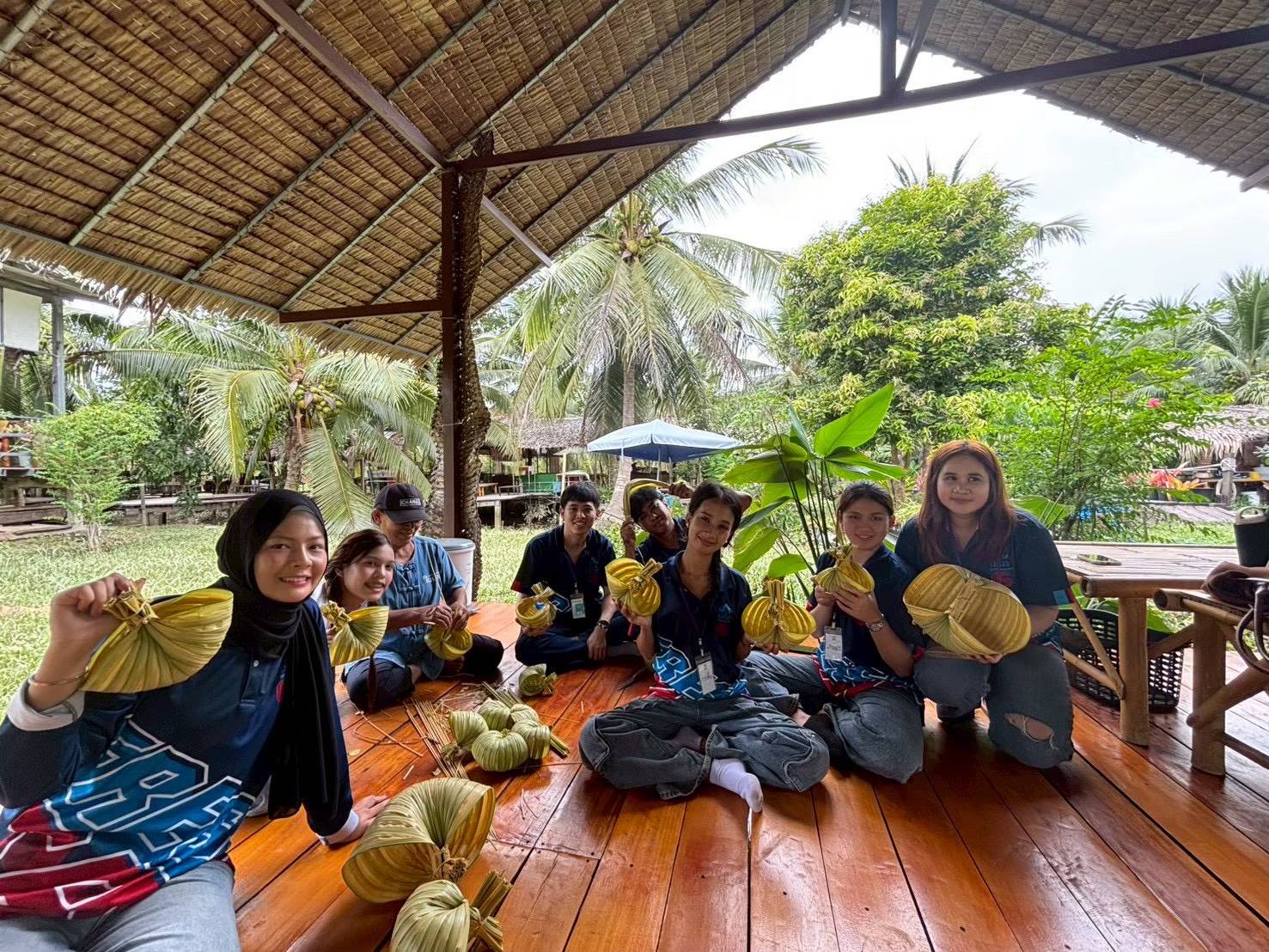
กิจกรรมดังกล่าวเป็นการประสานความร่วมมือระหว่างคณาจารย์ นักศึกษา ปราชญ์ชุมชน และภาคีเครือข่ายทางการศึกษา เพื่อถ่ายทอดทักษะด้านนวัตกรรม การสื่อสาร และจิตสำนึกสาธารณะให้แก่กลุ่มเยาวชน Go Green บางใบไม้ จำนวน 58 คน ผ่านกระบวนการเรียนรู้เชิงประสบการณ์ (Experiential Learning) ซึ่งนักศึกษาจะได้ฝึกฝนทักษะการเป็นนวัตกรทางสังคม (Social Innovator) และนักสื่อสารข้ามวัฒนธรรม
โครงการนี้ไม่เพียงแต่เป็นการพัฒนาทักษะวิชาชีพของนักศึกษา แต่ยังเป็นโมเดลการทำงานเชิงรุกที่ตอบสนองต่อยุทธศาสตร์มหาวิทยาลัยราชภัฏเพื่อการพัฒนาท้องถิ่น และสอดคล้องกับเป้าหมายการพัฒนาที่ยั่งยืน (SDGs) ในด้านการสร้างการศึกษาที่มีคุณภาพ และการสร้างพันธมิตรเพื่อการพัฒนาชุมชนที่เข้มแข็ง
รายงานความเชื่อมโยงกับ SDG
SDG 4 (Quality Education): มุ่งเน้นการจัดกิจกรรมการเรียนรู้ตลอดชีวิตและการพัฒนาทักษะที่จำเป็นสำหรับศตวรรษที่ 21 ให้แก่เยาวชนและนักศึกษา
SDG 11 (Sustainable Cities and Communities): เสริมสร้างขีดความสามารถของชุมชนในการปกป้องและรักษาเป้าหมายด้านสิ่งแวดล้อมและวัฒนธรรมท้องถิ่น
SDG 17 (Partnerships for the Goals): พัฒนากลไกความร่วมมือระหว่างสถาบันอุดมศึกษา โรงเรียน และชุมชนท้องถิ่น เพื่อการพัฒนาที่ยั่งยืน
| เป้าหมาย SDG ที่เกี่ยวข้อง | ความสอดคล้องกับกิจกรรม | ผลกระทบเชิงยุทธศาสตร์ |
|---|---|---|
 เป้าหมายที่ 4: การศึกษาที่เท่าเทียม | การจัดการเรียนรู้เชิงประสบการณ์ (Experiential Learning) และการพัฒนาทักษะในศตวรรษที่ 21 ให้แก่เยาวชนและนักศึกษา | สร้างความมั่นใจว่าผู้เรียนจะได้รับความรู้และทักษะที่จำเป็นในการส่งเสริมการพัฒนาที่ยั่งยืนอย่างเป็นรูปธรรม |
 เป้าหมายที่ 11: เมืองและชุมชนที่ยั่งยืน | การมีส่วนร่วมในการบริหารจัดการทรัพยากรธรรมชาติอย่างสมดุลและการอนุรักษ์วัฒนธรรมท้องถิ่นในชุมชนบางใบไม้ | ปกป้องและรักษาไว้ซึ่งมรดกทางวัฒนธรรมและทางธรรมชาติของท้องถิ่นผ่านกระบวนการมีส่วนร่วมของภาคประชาชน |
 เป้าหมายที่ 17: ความร่วมมือเพื่อเป้าหมาย | การบูรณาการความร่วมมือระหว่างวิทยาลัยฯ (IST) โรงเรียน และปราชญ์ชาวบ้าน เพื่อขับเคลื่อนโครงการพัฒนา | ส่งเสริมและสนับสนุนความร่วมมือระหว่างภาครัฐ ภาคการศึกษา และภาคประชาสังคม เพื่อการพัฒนาพื้นที่อย่างยั่งยืน |
IST Synergizes with Local Stakeholders to Empower Youth in Bang Baimai, Advancing Sustainable Development Goals (SDGs)
The International School of Tourism (IST), Suratthani Rajabhat University, has successfully implemented the “Local Community Engagement in Balanced and Sustainable Natural Resource Management” project at Wat Bang Baimai School. This initiative underscores IST’s commitment to community-based learning and sustainable regional development.
By integrating expertise in tourism, art education, and local wisdom, the project facilitated a comprehensive learning environment for 58 “Go Green Bang Baimai” youths. IST students acted as facilitators and social innovators, applying their academic knowledge to practical community service. Key focus areas included creative communication, environmental stewardship, and intergenerational knowledge exchange.
This collaborative effort serves as a strategic platform for students to cultivate professional competencies and social responsibility. It reflects IST’s mission to align academic excellence with the United Nations Sustainable Development Goals (SDGs), ensuring a meaningful impact on both student development and community resilience.
SDG Report
SDG 4 (Quality Education): Focused on promoting lifelong learning opportunities and enhancing 21st-century skill sets for both university students and local youth.
SDG 11 (Sustainable Cities and Communities): Strengthening community capacity to protect and safeguard local natural and cultural resources through inclusive participation.
SDG 17 (Partnerships for the Goals): Cultivating multi-stakeholder partnerships between higher education institutions, local schools, and community leaders for sustainable regional growth.
| Relevant SDG | Alignment with Activity | Strategic Impact |
|---|---|---|
Goal 4: Quality Education | Provision of experiential learning and 21st-century skill development for students and local youth. | Ensuring that learners acquire the knowledge and skills needed to promote sustainable development. |
Goal 11: Sustainable Communities | Engagement in balanced natural resource management and cultural preservation within Bang Baimai. | Protecting and safeguarding the world’s cultural and natural heritage through community participation. |
Goal 17: Partnerships | Multi-stakeholder collaboration between IST, local schools, and community sages. | Encouraging and promoting effective public, public-private, and civil society partnerships. |